

Storage Unit Prices in Seminole, TX: What You Can Expect to Pay
If you’re in the middle of a move, clearing out space during a home renovation, or just need somewhere to park your RV between trips, the first question on your mind is usually the same: what’s this actually going to cost me?
This guide covers current storage unit prices in Seminole, TX, how to figure out which size you actually need, and what’s worth paying for versus what’s just marketing noise. By the time you’re done reading, you’ll have a clear picture of what’s available, what’s reasonable to pay, and whether WestWay RV & Self Storage fits your situation.
Current Storage Prices at WestWay
Before getting into the details, here’s a quick look at current monthly rates:
| Unit Size | Monthly Price |
|---|---|
| 8×10 Drive-Up | $74.50 |
| 8×20 Drive-Up | $112.50 |
| 8×40 Drive-Up | $174.50 |
| 27×70 RV Storage with Hookups | $400.00 |
All units are month-to-month with no long-term commitment required. Check current availability online unit inventory moves quickly, especially the larger sizes.
How Much Do Storage Units Cost in Seminole, TX?
Storage pricing in Seminole runs noticeably lower than what you’d find in larger West Texas markets like Midland or Lubbock, but you’re not sacrificing much for that difference.
For a basic drive-up unit, expect to pay $70–$180, depending on size. RV storage with electrical hookups costs around $400. Those numbers hold pretty consistently in Gaines County right now.
What drives pricing variation from facility to facility?
Unit size is the biggest factor, obviously. An 8×10 gives you 80 square feet. An 8×40 gives you 320. The price doesn’t scale linearly; you typically get more space per dollar as you move up in size.
Access type matters more than most people realize. Drive-up units, where you can pull your truck or trailer right up to the door, cost a bit more than interior units, but for anyone loading heavy equipment, furniture, or contractor supplies, the convenience is worth it. Interior units mean carrying everything through the hallways, which may sound minor until you’re moving a refrigerator.
Security and facility quality factor in. Gated facilities with 24/7 video surveillance cost more to operate than a chain-link lot. That operational cost gets reflected in rates, and for most people, it’s a trade-off worth making.
Flexibility. Month-to-month storage is more expensive on a per-month basis than committing to a 6- or 12-month contract, but for most people, the flexibility of being able to leave when your situation changes is worth more than a small discount.
What Size Storage Unit Do You Actually Need?
Choosing the wrong size is the most common and most expensive mistake in storage. Renting too small means you either can’t fit everything or you’re stacking things so tightly that nothing is accessible. Renting too large means paying for space you’re not using.
Here’s a practical breakdown of each unit size available at WestWay:
8×10: Starting at $74.50/month
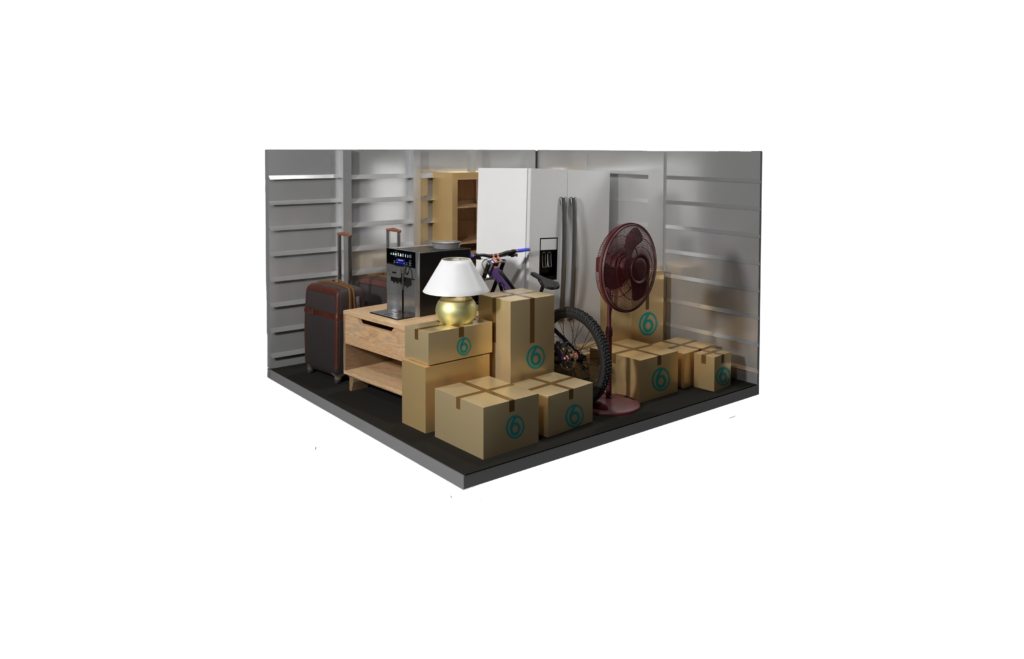
This is 80 square feet, roughly the size of a small bathroom or a large walk-in closet.
Best for:
- Boxes and seasonal items (holiday decorations, clothing bins, camping gear)
- Small furniture like end tables, chairs, or a loveseat
- Tools and equipment from a garage cleanout
- Small business inventory that doesn’t require frequent access
- A college student’s belongings over summer break
When people choose wrong here: Someone assumes an 8×10 will hold the contents of a two-bedroom apartment. It won’t. If you’re storing from a full room, you’ll likely be fine. If you’re storing from multiple rooms, you’ll need more space.
Learn more about the 8×10 unit
8×20: Starting at $112.50/month
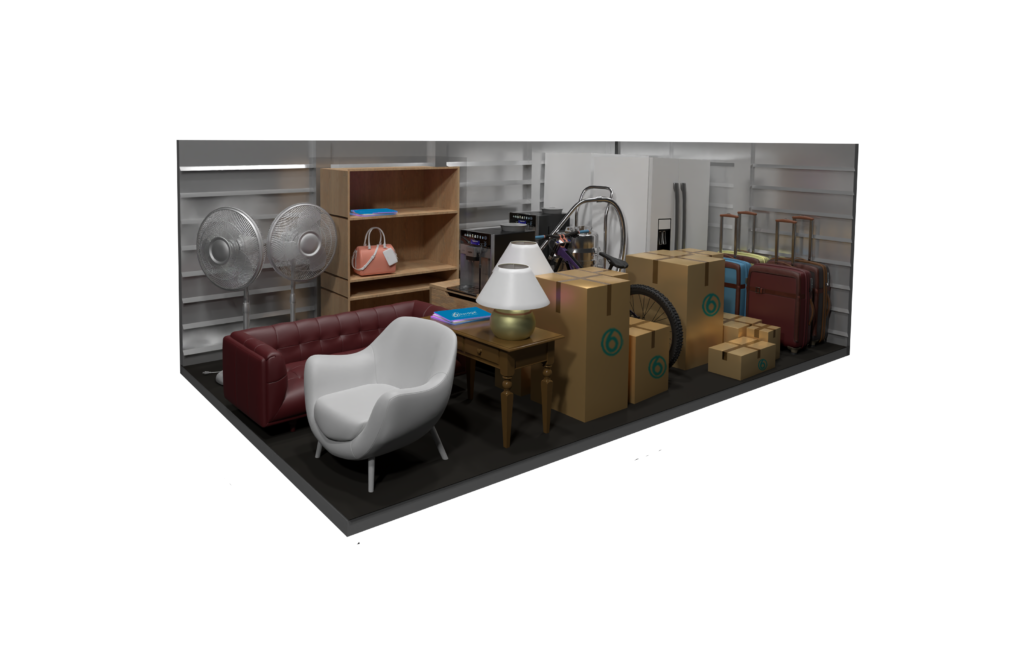
This is 160 square feet, roughly the size of a standard one-car garage.
Best for:
- Moving storage between homes (temporarily holding furniture and appliances)
- Contractor supplies and equipment
- A full bedroom set plus additional items
- Appliances, tools, and seasonal equipment
- Small business inventory with moderate access needs
When do people choose wrong here? The 8×20 is probably the most commonly underestimated size. People fill it faster than expected, especially once you account for needing to leave an aisle to actually reach things in the back. If you’re torn between 8×20 and 8×40, and you have equipment that’s bulky or irregular in shape, the larger unit is almost always worth the price difference.
When does upgrading to 8×40 make financial sense? If you’re paying for two 8×20 units, you’d almost certainly be better off with a single 8×40 at $174.50. You’ll spend less and have more usable space.
8×40: Starting at $174.50/month
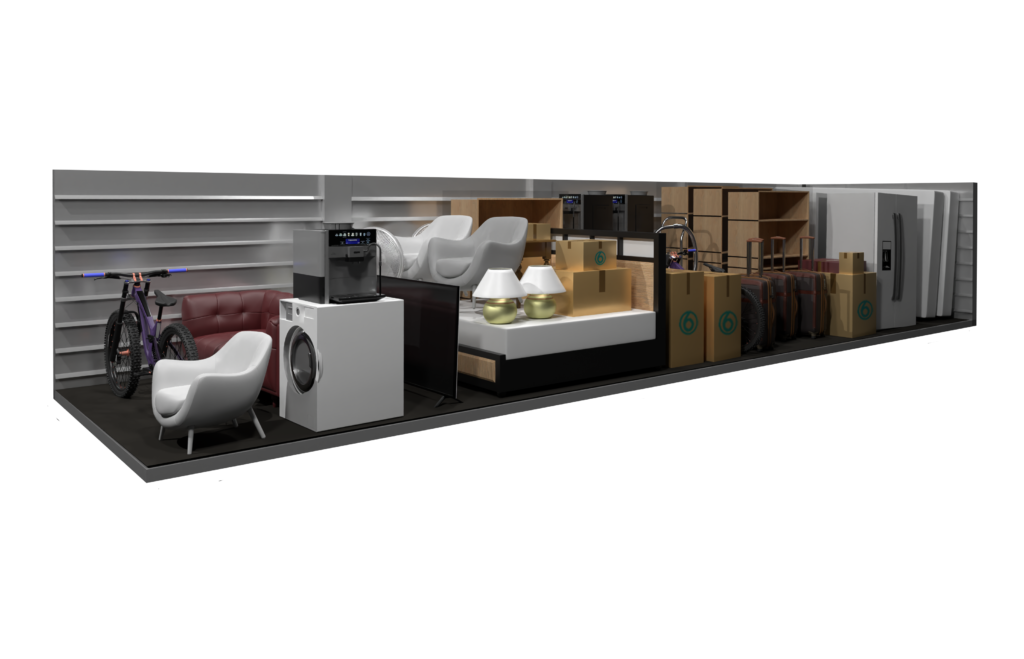
This is 320 square feet, about the size of a generous two-car garage.
Best for:
- Full household contents during a home sale, renovation, or relocation
- Commercial inventory storage
- Large equipment, multiple power tools, trailers, heavy machinery
- Contractor storage with tools and materials
- Business owners who need regular access to stock or supplies
When people choose wrong here: The opposite of the 8×10 problem, occasionally someone rents an 8×40 when an 8×20 would have worked. If you’re storing the contents of a single apartment or a few rooms, the 8×20 is probably enough. Save the 8×40 for a full-house move or heavy commercial use.
Not sure which size fits your situation?Call WestWay at 432-955-3036.We can walk you through it based on what you’re actually storing.
Local Storage Insights From Operating in Seminole
This is the part that doesn’t show up in generic storage guides.
Contractor and oilfield demand is real: Seminole and the surrounding Gaines County area see consistent demand from contractors and oilfield workers who need somewhere to store tools, materials, and equipment between jobs. This isn’t seasonal; it’s steady. If you’re in that category, the 8×20 and 8×40 drive-up units are popular for exactly that reason: you can pull a work truck right up to the door and load or unload in minutes.
The heat is not a minor consideration: West Texas summers are genuinely punishing. If you’re storing items sensitive to heat, certain electronics, wood furniture, photographs, medications, wine, or anything that can warp, melt, or deteriorate under prolonged high temperatures, you need to factor that into your decision. Most of WestWay’s units are drive-up exterior units, which work well for the majority of storage needs but aren’t climate-controlled.
For most customers in Seminole, this isn’t a major issue. Tools, contractor equipment, appliances, lawn equipment, vehicles, furniture, household goods, and boxed belongings generally store well in a drive-up unit. If you’re storing highly temperature-sensitive items, it’s usually better to keep those specific items elsewhere while using storage for everything else. The important thing is understanding what you’re storing before you rent, not after.
Sizing mistakes run in one direction: In this market, people almost always underestimate how much space they need, rarely the other way around. If you’re on the fence between two sizes, go up. The extra cost is usually $30–$60 a month, which is almost always worth avoiding the frustration of running out of room.
RV and recreational vehicle storage picks up seasonally. Owners who use their RVs for deer season, snowbird trips, or summer travel tend to need storage outside those windows. The 27×70 space with hookups fills up; don’t assume availability if you’re planning for off-season storage.
Business inventory use is growing. Several local business owners use the larger units as auxiliary storage for retail overflow, e-commerce inventory, and equipment. Month-to-month terms are a good fit here since business needs shift.
Larger units also tend to disappear first during busy moving periods. Families waiting on a home closing, property owners handling estate cleanouts, and contractors working on larger projects often need substantial space immediately. People who wait until the last minute frequently end up settling for a smaller unit than they originally wanted simply because larger inventory moves faster than expected.
What Factors Affect Storage Prices?
Understanding what drives pricing helps you evaluate whether what you’re paying is reasonable and avoid overpaying for features you don’t actually need.
Size: The biggest pricing factor is simply how much space you’re renting. Larger units cost more overall, but cost-per-square-foot often improves as unit size increases. That’s one reason many people find an 8×40 more economical than renting multiple smaller units.
Drive-up access: Being able to pull directly to your unit adds convenience and saves time, especially for contractors, movers, and anyone handling bulky items. For many customers, that convenience is worth far more than the small price difference compared to facilities that require carrying belongings through hallways or across long distances.
Security infrastructure: Gated facilities with video surveillance have higher operating costs than unsecured lots. That overhead gets passed on. In Seminole, a facility with 24/7 cameras and a gate is a reasonable expectation at the prices being charged not an upsell.
Flexibility terms: Month-to-month costs more per month than committing to a year. But for most storage customers, people between moves, contractors on a job, and RV owners off-season locking in for 12 months doesn’t make sense. Pay the slightly higher monthly rate for the flexibility.
Location: Storage in Seminole is generally more affordable than in larger metro areas, which is one of the key advantages of this market. You’re not paying the Midland-Odessa premium.
How to Avoid Paying for More Storage Than You Need
A few practical approaches:
Do a realistic inventory before you rent: Walk through what you’re actually storing. Group it into rough categories: furniture, boxes, appliances, equipment, and be honest about dimensions. An 8×10 sounds big until you’re trying to fit a sofa, bed frame, and 15 boxes into it.
Account for accessibility, not just volume: You can technically pack more into a smaller unit, but if you need to reach things in the back, you’ll end up moving everything every time. A slightly larger unit with a clear walkway is often more practical than a crammed smaller one.
Don’t store what you should sell or donate: Storage is cheap, but not free. If you’re paying $75/month to store items worth less than a few hundred dollars, run the math. After 6 months, you’ve spent more on storage than the items are worth.
If you’re storing a full household temporarily, measure big-ticket items first. Refrigerators, couches, and king beds take up far more space than people expect. Measure those first, then estimate boxes around them.
Ask before you rent. WestWay can help you figure out the right size. That conversation costs nothing.
What Do You Get for the Price at WestWay?
Beyond the price per month, here’s what’s included in renting at WestWay RV & Self Storage:
24/7 access: You can get to your unit any time in the early morning before a job or late at night after a long day. This matters more than it sounds for contractors or anyone with irregular schedules.
24/7 video security: The facility runs continuous video surveillance. That’s not just a selling point; it’s a meaningful deterrent to theft and vandalism, and it gives you some peace of mind that someone is watching even when no one is physically on-site.
Gated entry: Not everyone off the street can walk in. Controlled access limits who has contact with your unit.
Drive-up units: All units are ground-floor, drive-up accessible. You don’t haul things upstairs or through interior corridors. Pull up, load or unload, drive away.
Online rentals and payments: You can rent a unit and pay your bill entirely online. If you’re busy and most people in Seminole do not have to make a trip just to sign paperwork is genuinely useful.
Month-to-month terms: No long-term contract required. Rent as long as you need, leave when you don’t.
RV hookups: The 27×70 space includes electrical hookups more on that below.
These aren’t fancy features. They’re the basics done right, which is what actually matters when you’re moving something heavy at 7 a.m. on a Tuesday.
RV Storage Pricing in Seminole, TX
The 27×70 RV storage space at WestWay runs $400/month and includes hookups.
That 27×70 footprint accommodates full-size RVs, fifth wheels, travel trailers, and oversized trucks. If you’ve ever tried to find legitimate RV storage in a smaller West Texas town, you know the options can be limited. A lot of places don’t have spaces that actually fit a full-size rig, or they’re offering an unsecured gravel patch.
Why hookups matter: If you’re storing for more than a few weeks, having power access means you can maintain battery charge, run a dehumidifier to prevent moisture damage, and occasionally use the RV without having to move it to a campsite first. For RVs that sit for months at a time, that power connection can prevent the kind of deterioration that leads to expensive repairs.
Who this makes sense for: Snowbirds who travel south in winter and need summer storage. Hunters who use a rig during deer season and need somewhere secure the rest of the year. RV owners between extended trips who want gated, monitored storage rather than parking it at home.
At $400/month for a secured, hooked-up space that fits a full-size rig in Seminole, that’s competitive. View the RV storage page for current availability.
FAQs
How much does an 8×10 storage unit cost in Seminole, TX?
At WestWay, an 8×10 drive-up unit is currently $74.50/month (as of June 2026). Pricing may change; verify before renting.
How much does an 8×20 storage unit cost?
WestWay’s 8×20 drive-up unit is $112.50/month. It’s the most popular size for people in the middle of a move or storing a partial household’s worth of belongings.
How much does an 8×40 storage unit cost?
The 8×40 is $174.50/month. Best for full household moves, large equipment, or commercial inventory.
Are storage units rented month-to-month?
Yes. WestWay offers month-to-month rentals with no long-term commitment required.
Is RV storage available in Seminole, TX?
Yes. WestWay has a 27×70 RV storage space with hookups at $400/month. Fits full-size RVs, fifth wheels, and travel trailers.
What size storage unit do most people need?
It varies, but the 8×20 covers the most common situations: a partial move, contractor supplies, or equipment storage. If you’re storing a full household, the 8×40 is usually the better choice.
Are there hidden fees?
WestWay’s pricing is straightforward. Ask directly when you rent about any additional charges for insurance, administration, or deposits, so there are no surprises on your first bill.
How quickly can I rent a storage unit?
You can rent online at officewestwayrv.com and have access almost immediately. If you prefer to talk through your options first, call 432-955-3036.
Can I access my storage unit 24/7?
Yes. WestWay offers 24/7 access to your unit.
How do I rent online?
Visit officewestwayrv.com, select the unit size you need, and complete the rental process online. No need to come in person i
Ready to Reserve a Unit?If you’ve read this far, you probably have a good sense of what you need.
If you’ve read this far, you probably have a good sense of what you need.
Here’s the quick summary:
- Small load or seasonal items → 8×10 at $74.50/month
- Moving storage, contractor use, or mid-size need → 8×20 at $112.50/month
- Full household, commercial inventory, heavy equipment → 8×40 at $174.50/month
- RV, trailer, or recreational vehicle → 27×70 with hookups at $400/month
Browse available units and rent online or call 432-955-3036 to talk through your options.
WestWay RV & Self Storage is located at 189 CR 307, Seminole, TX 79360 serving Seminole, Gaines County, Loop, Seagraves, Denver City, Andrews, Hobbs, NM, and surrounding West Texas communities.


